
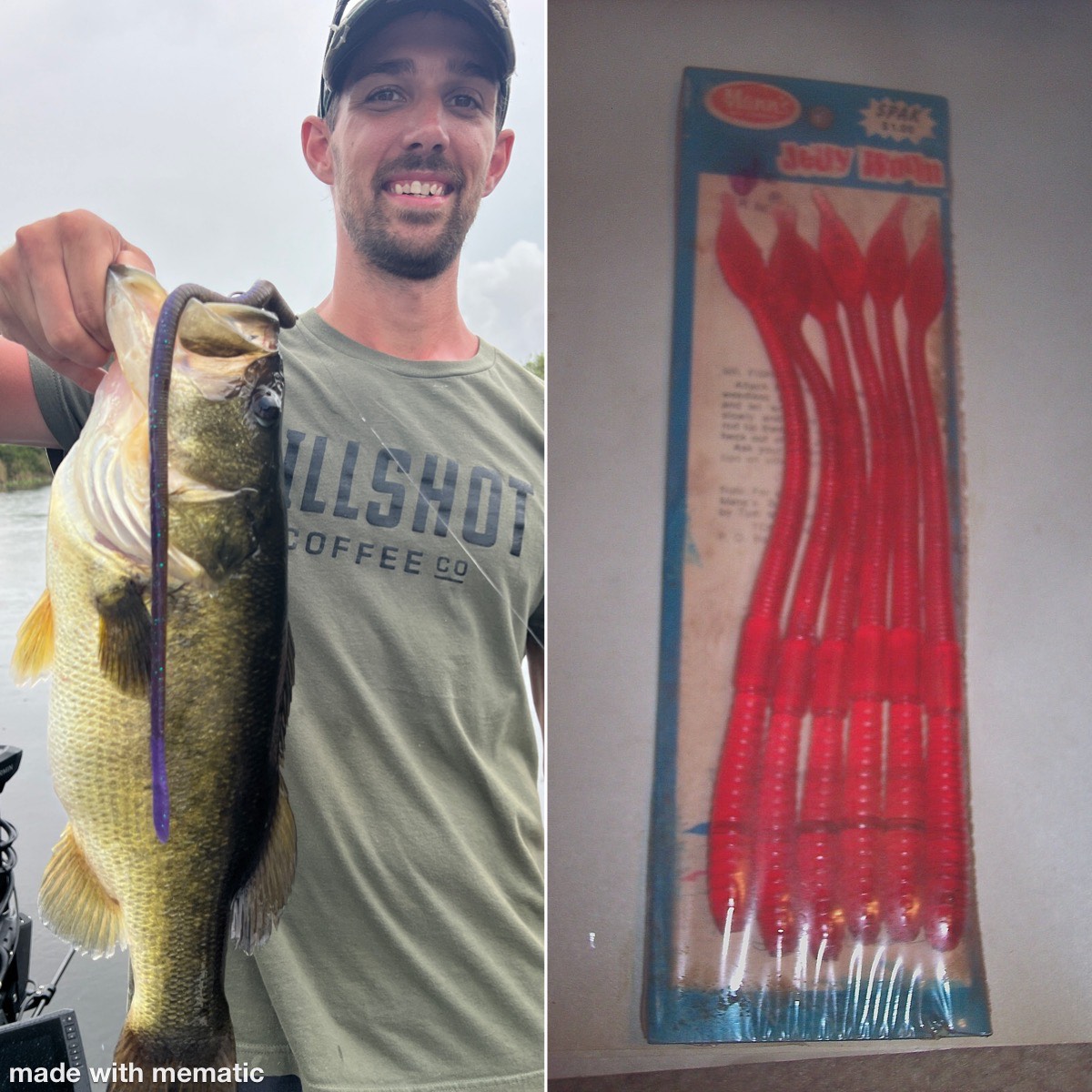
For decades, Mann’s Lures were a staple in tackle boxes across the country. Anglers trusted them for one simple reason: they caught fish. From Jelly Worms to classic soft plastics, Mann’s built a reputation around do-nothing baits that consistently produced bites when nothing else worked.
Today, many anglers still search for Mann’s Lures — not realizing the brand is no longer producing new baits. If you’ve ever wondered what happened to Mann’s Lures or what to use instead, you’re not alone.
Mann’s Lures played a major role in shaping modern bass fishing. Their worms were known for subtle action, soft plastic, and presentations that didn’t rely on speed or flash. These were confidence baits — the kind anglers let soak, twitch, and fall naturally.
For years, they dominated the “do nothing” worm category, especially with anglers who understood patience, water column control, and letting the bait work on the pause.
No. Mann’s Lures are no longer actively produced, and original baits are increasingly difficult to find. While some old stock may surface occasionally, anglers searching for replacements are often left guessing what modern lures actually fish the same way.
That’s why searches for “Mann’s Jelly Worm replacement” and “what happened to Mann’s Lures” continue today.
Despite changing trends, the fundamentals haven’t changed:
What made Mann’s baits effective wasn’t hype — it was soft plastic, natural action, and confidence presentations. Most modern soft plastics are built for speed, not patience.
Anglers looking to replace Mann’s-style worms should look for baits with:
These characteristics are rare today — but they still exist.
Several DeLong Lures products continue the same slow-presentation philosophy that made Mann’s famous — while improving durability and hook-up ratios.
A legendary big worm that excels when fish want a large, slow-moving meal. Bass often grab it and swim off before eating — exactly how snakes are eaten in nature.
Pre-rigged with internal Kevlar rigs and multiple hooks, these worms are designed to fish patiently through the entire water column — just like classic Mann’s worms, but with higher hook-up rates.
One of the earliest rubber worm designs, still made the same way today. The Bass Witch shines during pre-spawn and post-front conditions when subtle movement outperforms speed.
All of these lures are hand-poured, internally rigged, and scented, carrying forward the same principles anglers relied on decades ago.
Fishing trends change — fish behavior doesn’t.
Slow presentations still trigger neutral fish. Confidence baits still out-fish reaction baits under pressure. And anglers who understand patience still catch more fish.
That’s why old-school designs haven’t disappeared — they’ve simply moved to companies still willing to make them the hard way.
DeLong Lures has been hand-pouring soft plastics since 1946, using internal rigs and scent-infused plastic long before it became a marketing buzzword. Many anglers who once relied on Mann’s Lures have quietly transitioned — not because of branding, but because the baits fish the same way they always trusted.
If you’re searching for Mann’s Lures today, chances are you’re really searching for confidence — and that hasn’t gone anywhere.
Email: Sales@delonglures.com
Phone: 234 -788-9308
Address: 2381 Locust St
Canal Fulton, Ohio 44614