
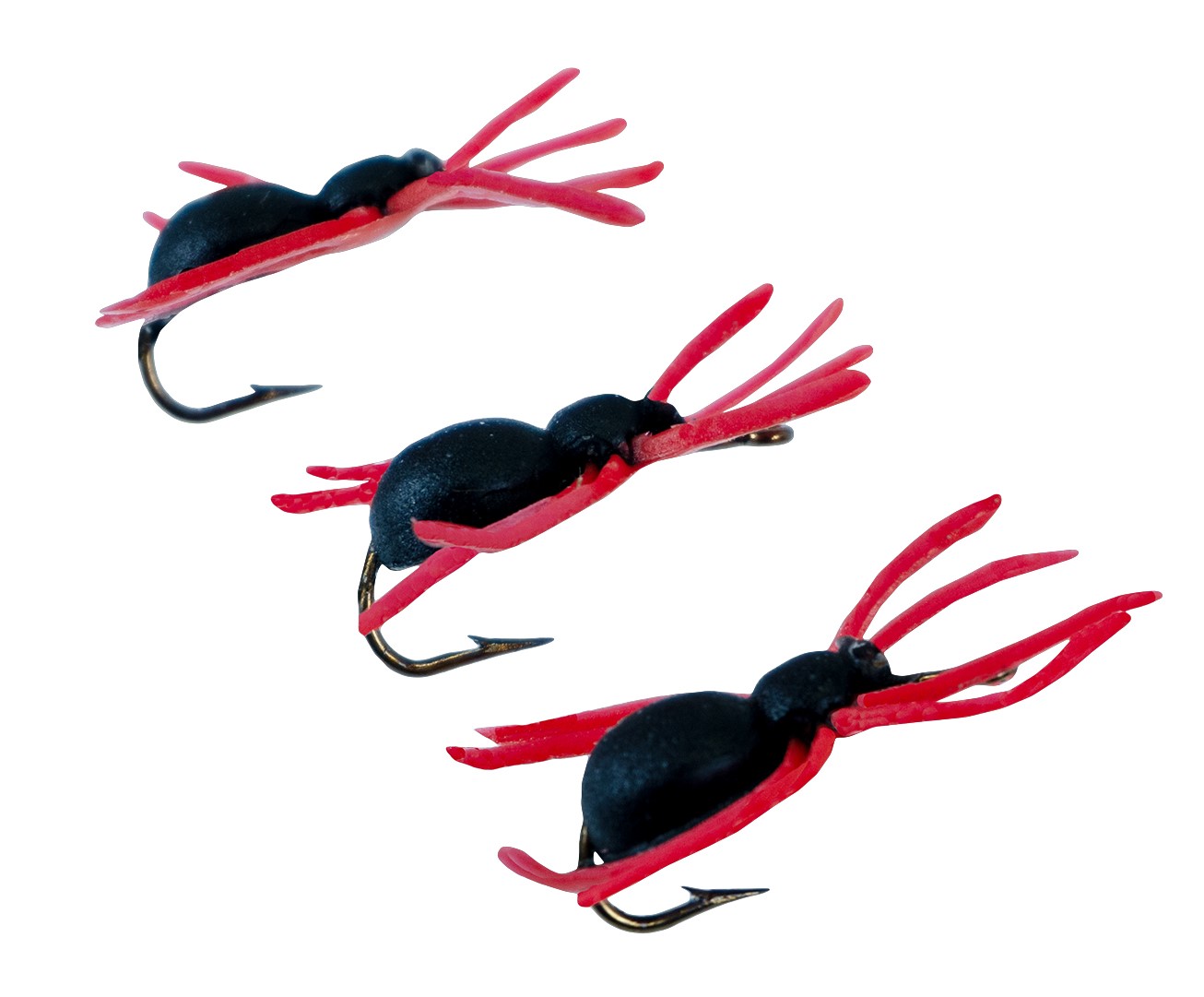
Spider baits are one of the most natural and effective lures for panfish because they imitate something fish already recognize as food. When insects fall into the water, bluegill, crappie, and perch react quickly. Spider baits are designed to recreate that exact moment, making them an excellent choice for beginners, kids, and anyone looking for an easy, reliable way to catch panfish.
This guide explains how to fish spiders step by step, using simple techniques that work from shore, docks, or boats.
Panfish spend much of their time feeding on insects that land on or fall into the water. A spider struggling on the surface or slowly sinking looks natural and familiar, which is why fish often strike without hesitation.
Spider baits work because they:
In warm water, when insects are active, spiders can outperform worms and other traditional panfish baits.
Spider baits shine most when fish are shallow and feeding naturally.
They are especially effective:
Spiders are less effective in fast current or very deep water where insects are not a primary food source.
Fishing a spider under a bobber is one of the easiest and most effective setups for beginners.
Once the spider hits the water, avoid constant movement. Let it sit and watch the bobber closely. Many bites happen quickly, and the bobber will dip, twitch, or disappear.
This setup is ideal for:
Spiders can also be fished without a bobber for a more natural presentation.
This approach works well when fish are actively feeding near the surface or just below it.
One of the biggest mistakes beginners make with spiders is overworking the bait.
A good rule:
Spider baits are meant to look like a struggling insect, not a fast-moving lure.
When fishing spiders, location matters more than retrieve.
Good target areas include:
If fish are present, they usually respond quickly.
Spider baits are especially effective for:
They can also catch other species that feed near the surface, making them a versatile option for casual fishing trips and family outings.
Mistake: Fishing too deep
Fix: Keep the spider close to the surface
Mistake: Moving the bait constantly
Fix: Let it sit and watch for strikes
Mistake: Ignoring subtle bites
Fix: Watch your bobber or line carefully
Mistake: Casting too far from cover
Fix: Focus on shallow, calm areas
Spider baits make fishing simple and fun. They don’t require complicated rigging, heavy tackle, or advanced technique. Because strikes are often fast and visible, beginners gain confidence quickly — which is one of the most important parts of learning to fish.