
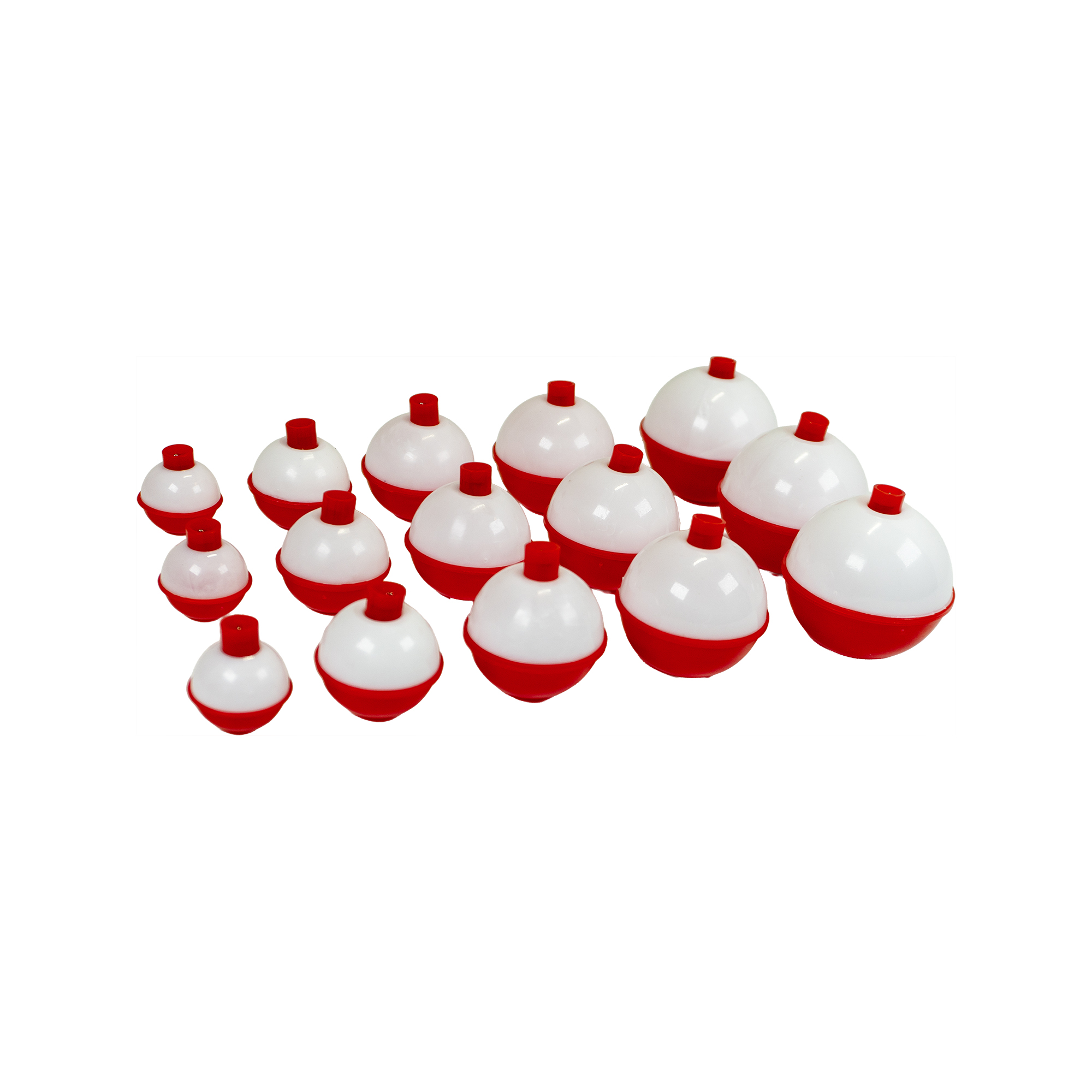
Bobbers are one of the simplest and most effective tools in fishing, especially for beginners. They help suspend bait at the right depth, make bites easy to see, and remove much of the guesswork that frustrates new anglers. Whether you’re teaching a child to fish or just getting started yourself, learning how to use a bobber correctly can dramatically increase your success.
This guide walks through the basics step by step, using clear, practical explanations that apply to many species and fishing situations.
A bobber floats on the surface and holds your bait at a set depth below it. Instead of letting bait sit unnoticed on the bottom, the bobber keeps it suspended where fish are more likely to see it.
Bobbers work well because they:
For new anglers, this visibility is key. You don’t need to “feel” the bite — you simply watch the bobber.
For beginners, fixed or snap-on bobbers are the best place to start.
These are perfect for shallow water, ponds, lakes, and most panfish situations.
Slip bobbers are effective but add complexity. Most beginners should start with snap-on bobbers until they’re comfortable with basic rigging and depth control.
This is the most common beginner question — and the most important.
A good starting rule:
If you’re fishing shallow water, start closer to 12 inches. If bites are light or fish aren’t responding, move the bobber slightly deeper.
Most beginners make the mistake of fishing too deep right away.
Snap-on bobbers are designed to be fast and simple.
No knots are required, and the bobber can be moved easily to change depth.
Bobbers work best with natural or slow-moving baits.
Common beginner-friendly options include:
The goal is to let the bait sit naturally in the water while the bobber holds it at the strike zone.
When fishing with a bobber, your eyes do the work.
Watch for:
When the bobber goes under or moves steadily, gently lift the rod tip to set the hook.
Bobber size matters more than many beginners realize.
General guidelines:
If you’re unsure, start with a smaller size. Too much flotation can make bites harder to detect.
Mistake: Using a bobber that’s too big
Fix: Downsize for better bite detection
Mistake: Fishing too deep
Fix: Start shallow and adjust gradually
Mistake: Watching the rod instead of the bobber
Fix: Keep your eyes on the bobber at all times
Mistake: Moving the bait too much
Fix: Let the bobber and bait sit still
Bobbers shine in:
Bobbers are less effective in:
Understanding these limits helps anglers know when to switch techniques later on.
Bobbers remove complexity. They make fishing visual, interactive, and fun — especially for kids. By keeping bait at the right depth and clearly showing when a fish bites, bobbers help beginners build confidence and catch fish faster.
That early success is often what turns a first-time angler into a lifelong fisherman.