
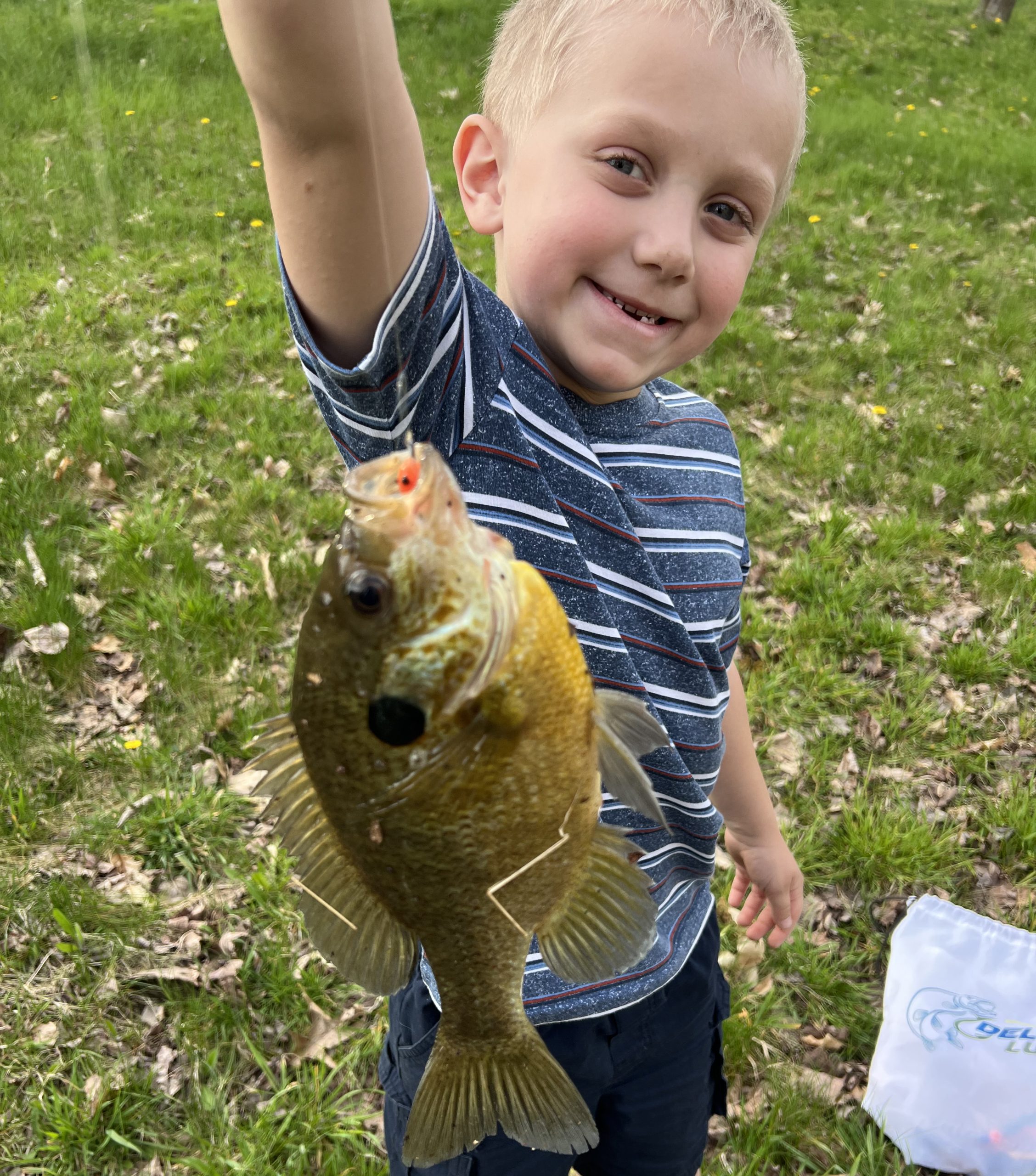
For many anglers, panfish are the gateway into fishing. Bluegill, crappie, perch, and other panfish species are abundant, aggressive, and willing to bite — making them perfect for beginners, kids, and experienced anglers alike.
But consistently catching bigger panfish requires understanding how they feed, where they live, and what they naturally eat. This guide breaks down everything you need to know about panfish fishing, including best lures, techniques, seasons, and setups that work anywhere in the country.
Panfish is a general term used for smaller freshwater species that are commonly caught and often kept for food. The most popular panfish include:
These fish feed heavily on insects, larvae, small baitfish, and anything that falls into the water from above — which is why bug-style lures are so effective.
Panfish survive by eating often. Unlike larger predator fish that can afford to wait, panfish feed constantly throughout the day.
They are especially attracted to:
This is why slow-sinking, realistic baits outperform fast-moving lures when targeting panfish.
Panfish eat bugs every day. Ants, spiders, bees, and larvae are a natural food source.
Best uses:
👉 This is where pre-rigged bug baits shine — no live bait needed.
Tadpoles are everywhere panfish live, especially in spring and summer.
Small soft plastics with:
will catch panfish when live bait isn’t available.
Panfish can’t resist larva-style baits. These are perfect for:
They’re easy to fish and keep rods bent.
Top methods: bobber + bug bait, slow sink
Top methods: spiders, ants, bees, small tadpoles
Top methods: slow plastics, larva baits
Top methods: perch eyes, small plastics tipped on hooks
The easiest and most effective method.
Let the bait do the work.
No bobber needed.
Panfish are perfect for kids because:
Pre-rigged baits eliminate frustration and keep kids fishing instead of re-baiting hooks.
Pre-rigged panfish lures offer major advantages:
They’re ideal for:
DeLong Lures has been making hand-poured soft plastic fishing lures in America since 1946. Many of the designs used today are based on the same formulas that caught fish decades ago — because they still work.
Every DeLong panfish bait is:
If you’re just getting started, look for:
👉 These cover 90% of panfish situations anywhere in the country.